Want a thicker, greener, healthier lawn in 2026? The secret isn't just what you do in spring, it's what happens beneath the surface this winter. At Dream Greener Lawn & Landscape, we've helped countless South Hills homeowners transform struggling lawns into lush, vibrant turf, and we've learned that the foundation of great grass is great soil.
While your lawn sits dormant through Pittsburgh's cold months, winter is actually the ideal time to address the underground factors that determine whether your grass thrives or merely survives. Soil testing, pH correction, and organic matter preparation done now create optimal growing conditions that pay dividends when temperatures warm. In this guide, we'll explain how focusing on soil health this winter sets the stage for your best lawn yet.
Why Winter Soil Preparation Matters for Pittsburgh Lawns
Most homeowners think about lawn care when grass is growing—spring fertilization, summer watering, fall overseeding. But professional lawn managers know that soil health drives everything above ground. According to Penn State Extension, proper soil fertility is the foundation for plant health, and turfgrasses have specific nutritional requirements that vary based on soil pH and nutrient levels from site to site.
Winter offers the perfect window for soil improvement because:
- Time for Soil Corrections: Lime and other pH amendments need months to alter soil chemistry. Applications made in winter have time to work before spring growth begins. Penn State Extension notes that fall and winter are ideal times to test soil, as lime can be added and start to work on correcting pH over winter.
- Frozen Ground Protection: Soil sampling can be done before the ground freezes hard, and amendments can be applied to frozen ground without causing compaction or damaging dormant turf.
- Planning Advantage: Soil test results received in winter give you months to develop a comprehensive fertility program rather than making rushed decisions during the busy spring season.
- Cost and Availability: Soil testing labs and lime suppliers are less busy during winter, meaning faster results and better availability of amendments.
Step 1: Professional Soil Testing – The Foundation of Lawn Health
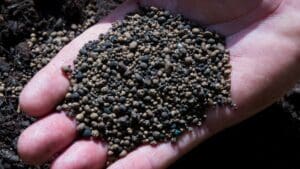 Guessing about what your soil needs leads to wasted money on unnecessary fertilizers and amendments, or worse, applying products that make problems worse. Soil testing is the only precise way to determine fertility needs and pH levels.
What a Soil Test Reveals
Our standard soil test measures pH and levels of key plant nutrients including phosphorus, potassium, calcium, and magnesium. The report you receive includes research-based recommendations for the type and amount of nutrients needed to adjust your soil for optimal turfgrass growth.
- Soil pH: Most turfgrasses prefer a soil pH ranging from 6.0 to 7.0. Pittsburgh's native soils tend toward acidity, often testing below 6.0. When pH drops too low, grass can't efficiently absorb nutrients even when they're present in the soil.
- Phosphorus (P): Essential for root development and overall plant vigor. However, excess phosphorus contributes to water pollution, so applying it when not needed is both wasteful and environmentally harmful.
- Potassium (K): Improves stress tolerance, disease resistance, and cold hardiness—all critical for Pittsburgh lawns facing harsh winters and hot summers.
- Calcium (Ca) and Magnesium (Mg): Important for soil structure and plant health. Imbalances can affect nutrient availability and turf quality.
- Lime Requirement: The test indicates exactly how much limestone is needed to raise soil pH to optimal levels for your specific turf.
Dream Greener's Soil Testing Service
Dream Greener handles the entire soil testing process. We collect and analyze samples from your property, interpret the results, and develop a comprehensive fertility program tailored to your specific lawn conditions. This takes the guesswork out of soil management and ensures you're addressing your soil's actual needs rather than following generic advice.
Step 2: pH Correction with Winter Lime Applications
If your soil test indicates pH below 6.0 (common throughout Pittsburgh's South Hills) liming is essential for lawn health.
Why pH Matters So Much
Soil pH controls nutrient availability. When pH drops into the strongly acidic range (below 5.5), several problems occur:
- Nutrient Lockup: Essential nutrients like phosphorus, calcium, and magnesium become chemically unavailable to grass roots even when present in adequate amounts. You can fertilize heavily but see poor results because grass can't access the nutrients.
- Aluminum Toxicity: Acidic soils release aluminum that can damage grass roots and inhibit growth.
- Reduced Biological Activity: Beneficial soil microorganisms that break down organic matter and cycle nutrients decline in strongly acidic soils.
- Weed Pressure: Certain weeds, like sheep sorrel and moss, thrive in acidic conditions. Correcting pH helps turf outcompete these undesirable plants.
Research has shown that strongly acid soils can reduce the effectiveness of some turfgrass herbicides and insecticides, meaning your pest control efforts may fail if pH isn't corrected.
How Long Does Lime Take to Work?
Lime doesn't provide instant results. Raising soil pH is a gradual process that requires months. Winter applications have time to begin changing soil chemistry before spring growth demands full nutrient availability.
Step 3: Building Soil Health with Organic Matter
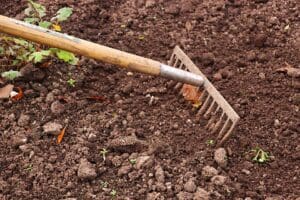
Beyond pH and basic nutrients, soil structure and organic matter content profoundly influence lawn performance. Pittsburgh's heavy clay soils, common throughout the South Hills, benefit enormously from organic matter additions.
Benefits of Organic Matter in Lawn Soils
According to Penn State Extension research on using composts to improve turf performance, in clay soils, good quality compost improves structure, reduces surface crusting and compaction, promotes drainage, and provides nutrients. In sandy soils, compost increases water and nutrient retention, supplies nutrients, and increases microbial activity.
These improvements lead to:
- Faster turf establishment in thin or damaged areas
- Improved turf density and color
- Increased rooting depth for better drought tolerance
- Less need for fertilizer and irrigation
- Enhanced soil biology that cycles nutrients naturally
 Step 4: Developing Your 2026 Lawn Fertility Program
Once you have soil test results, we can develop a complete fertility program for the coming year.
Nitrogen Management
While soil tests measure phosphorus and potassium, they don't directly indicate nitrogen needs because nitrogen levels fluctuate rapidly. For Pittsburgh lawns, typical nitrogen requirements range from 2-4 pounds of actual nitrogen per 1,000 square feet annually, split across multiple applications. Cool-season grasses like Kentucky bluegrass, perennial ryegrass, and fine fescues, the predominant lawn grasses in our area, benefit most from late-summer and fall nitrogen applications, with lighter spring feeding.
Phosphorus and Potassium Strategy
Your soil test will indicate whether phosphorus and potassium are needed. Rresearch emphasizes that indiscriminate use of phosphorus-containing fertilizer on runoff-prone turfgrass sites contributes to water contamination. Only apply phosphorus when soil tests indicate it's needed. If tests show adequate or high phosphorus and potassium levels, use nitrogen-only fertilizers to avoid building up excessive nutrients that can pollute waterways and create environmental problems.
Choosing Quality Fertilizers
Dream Greener uses quality products containing slow-release nitrogen sources. These provide steady nutrient availability over weeks or months rather than a quick flush of growth that stresses grass and increases mowing needs.
Step 5: Aeration and Topdressing Plans
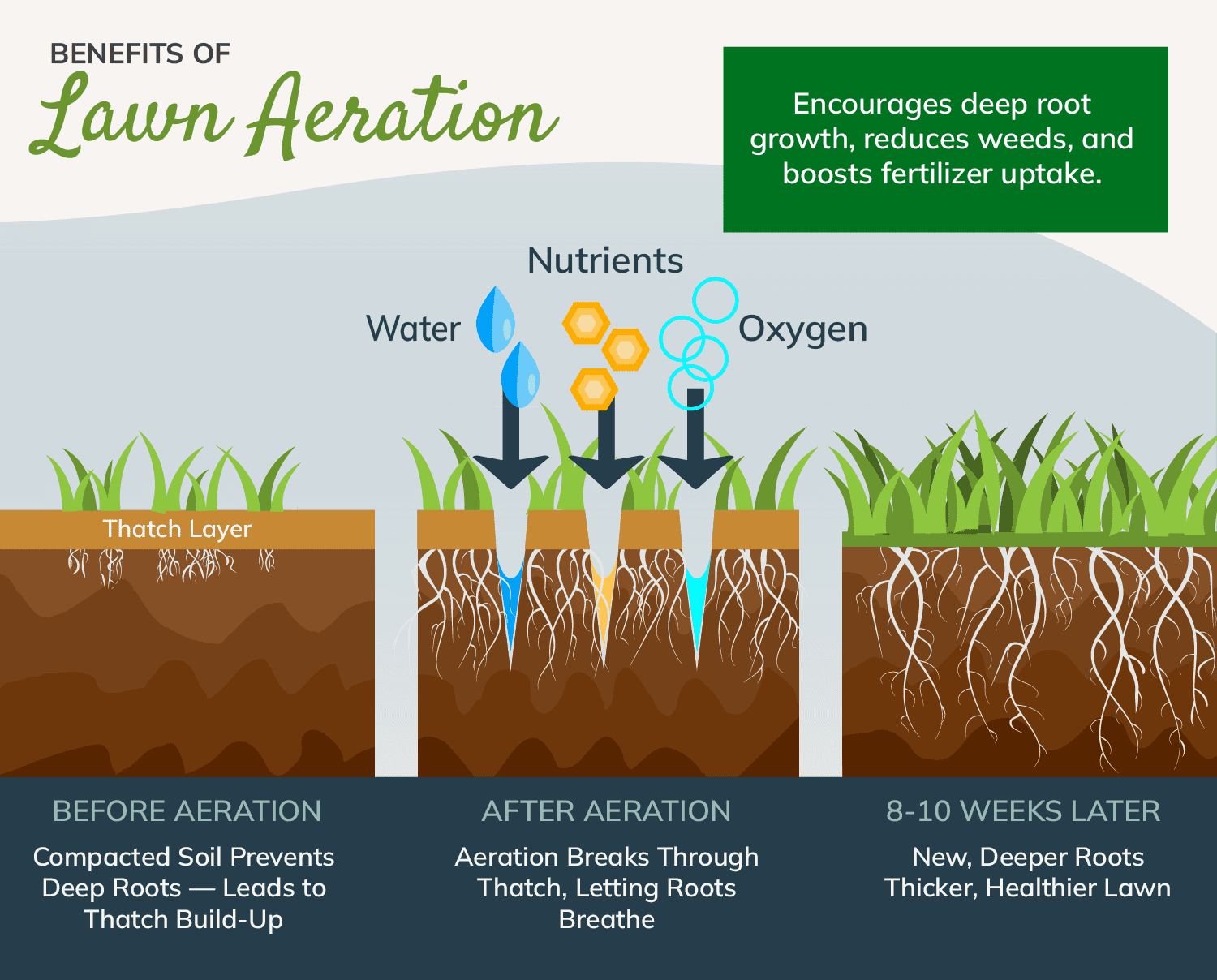 Once soil test results are in hand, plan spring lawn aeration and topdressing to maximize soil improvement efforts.
Core Aeration Benefits
Lawn aeration alleviates soil compaction by creating channels that allow oxygen, moisture, and nutrients to reach grass roots. Dream Greener recommends aerating every three years as a good rule of thumb, though high-traffic areas may benefit from annual treatment.
- Best Timing: For Pittsburgh lawns, early spring (late March to April) or late summer to early fall are optimal.
- Moisture Requirements: Adequate moisture is necessary for aerator tines to penetrate turf and remove plugs. Aeration works best when soil is moist but not saturated.
- Core Management: Leave cores on the surface where they break down naturally, or use a drag mat to break them up and redistribute soil and organic matter.
Topdressing with Compost
Applying a thin layer of quality compost after aeration dramatically improves soil health. Research recommends applying about 1/4 inch of well-aged compost and working it into the soil through aeration or dragging. Successive applications over multiple years build soil organic matter gradually without creating thatch-like layers.
Topdressing provides small amounts of nitrogen and beneficial micronutrients naturally while improving soil structure, water retention, and biological activity.
Professional Lawn Care Programs from Dream Greener
Building genuinely healthy lawns requires knowledge, proper timing, and attention to detail. Dream Greener's comprehensive lawn care programs incorporate all aspects of soil-based turf management:
- Soil Testing and Analysis: We handle sampling, lab submission, and interpretation of results to understand exactly what your lawn needs.
- pH Correction Programs: Appropriate lime applications based on test results and soil conditions, with timing optimized for maximum effectiveness.
- Customized Fertilization: Research-based fertility programs using quality products matched to your soil's actual needs rather than generic approaches.
- Aeration and Topdressing: Professional core aeration with quality compost topdressing to build long-term soil health.
- Organic Matter Management: Guidance on grass clipping recycling, compost use, and other practices that naturally improve soil over time.
- Ongoing Monitoring: Regular assessment of turf health with adjustments to fertility programs as conditions change.
Frequently Asked Questions About Lawn Soil Health
When is the best time to take a soil sample?
While soil can be tested anytime the ground isn't frozen, late fall through early spring is ideal because it gives you time to apply amendments before the growing season begins. Avoid sampling immediately after fertilizer or lime applications.
How often should I lime my lawn?
Only lime when a soil test indicates it's needed. Some lawns may need lime every 2-3 years, others less frequently. Liming without testing can raise pH too high, creating different nutrient availability problems.
Can I apply lime and fertilizer at the same time?
Generally yes, though some fertilizer types work better when applied separately. Your soil test recommendations will provide specific guidance. Dream Greener's programs coordinate application timing for optimal results.
What's better for lawns: compost or topsoil?
Quality compost usually produces better turf performance than topsoil. Compost improves soil structure, provides nutrients, and enhances biological activity. Topsoil quality varies widely and may not address underlying soil problems.
Will improving soil health reduce weed problems?
Yes, indirectly. Healthy, dense turf growing in properly balanced soil outcompetes weeds for space, light, and resources. While soil health alone won't eliminate weeds, it's a critical component of integrated weed management.
How long does it take to see results from soil improvement?
Some benefits appear within one growing season and include improved color, density, and vigor. Structural improvements in clay soils may take 2-3 years of consistent organic matter additions. Patience and consistent management pay long-term dividends.
Start Building Your Best Lawn This Winter
Your lawn's performance in 2026 depends on the foundation you build this winter. While neighbors wait until spring to think about lawn care, you can get ahead by addressing soil health now, setting the stage for a thicker, greener, more resilient lawn that's the envy of your South Hills neighborhood. Dream Greener Lawn & Landscape has been helping Pittsburgh homeowners achieve beautiful, healthy lawns through science-based soil management. Whether you need soil testing, a complete fertility program, or comprehensive lawn care services, we have the expertise and local knowledge to transform your turf.
Limited time lawn care promotion
If you want fewer problems and better results this summer, spring is not the time to guess. This spring, new lawn care clients who enroll in a full-season program receive a complimentary bonus application as part of their annual plan. Check out our lawn care promotion here. Current lawn care clients can refer a friend to Dream Greener and earn a complimentary treatment added to your account. All your friend needs to do is mention your name when they reach out.