Dream Greener Video Library
Short answers from our lawn and plant health team to the questions Pittsburgh homeowners ask us most: why grass dies in patches, what grubs and lawn diseases look like, how much to water, and how to keep ice melt from burning the lawn.
Lawn Problems and Repairs
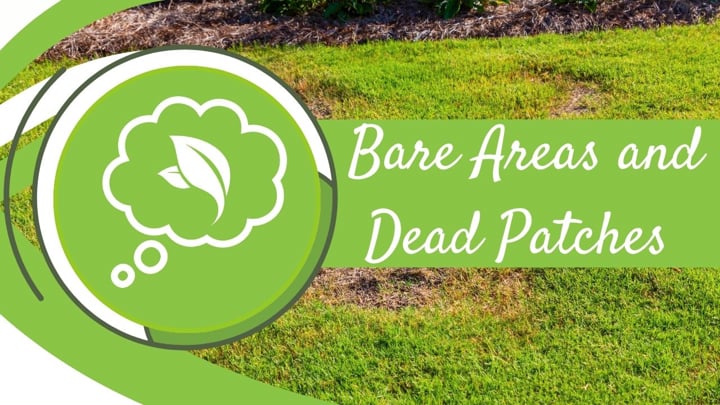
Bare Areas and Dead Patches
What kills a patch of lawn depends on the season. In spring, look for dog damage, snow mold, and burns from salt or ice melt. Summer brings insects, disease, heat and drought stress, and buried debris that burns the grass from the roots up. Fall is when grub damage shows. The fix is soil and seed, and soon: left alone, bare spots fill in with weeds and crabgrass. See lawn renovation.
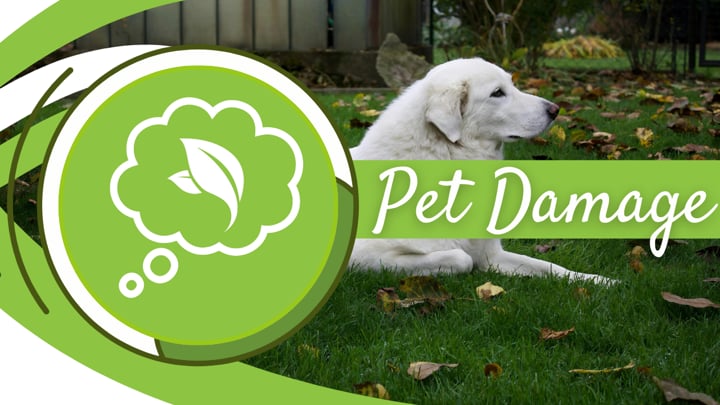
Pet Damage
The brown spots that show up as the snow melts are usually from dog urine, which is mostly water and nitrogen. Once the water evaporates, the nitrogen left behind burns the grass. In rainy weather the same spots can turn dark green instead, because a little nitrogen feeds a lawn. Watering the areas your dog uses, as soon as you can, dilutes the nitrogen and saves you from reseeding.
Ice Melt Damage
Rock salt is cheap, but it can cost more in the end. It mixes with snow and ice into a brine that runs into beds and lawns, damaging shrubs and turf, and it can damage concrete too. A calcium chloride ice melter keeps walks and driveways clear and is easier on your lawn and plants, though heavy use still does harm. Read more in how ice melt damages lawns.
Soil Compaction
Most western Pennsylvania lawns grow on clay, which is dense to begin with and packs tighter as it dries out in a drought. Mowing in the same pattern every week, shortcuts across the yard and hot, dry summers compact it further, so water can barely soak in or drain. Core aeration with overseeding opens it up: the holes let water and nutrients into the soil and give the roots room to grow. See compost topdressing and fall aeration.
What Is Thatch?
Thatch is the layer of dead grass and leaves where grass stems meet the soil. A thin layer helps: it breaks down into nutrients and insulates roots from heat, cold and swings in soil moisture. Too much keeps water and air from the roots, which leads to shallow roots, poor drainage, disease and drought damage. Core aeration every year keeps thatch in check, and dethatching removes a layer that has built up too far. See lawn aeration.
Weed Control
Controlling weeds starts with knowing when each one sprouts and where it likes to grow. A pre-emergent forms a barrier in the soil that stops crabgrass before it comes up. Dandelions, other broadleaf weeds and nutsedge are treated once they appear. Dandelion seeds blow in from neighboring yards, so a few can pop up between visits. Our six-round Lawn Health Care program is timed to catch weeds that sprout at different points in the season.
Lawn Diseases, Fungi and Insects
Common Lawn Disease
Lawn disease is common in spring and fall, and in summers that run wet and humid. Every disease needs three things, called the disease triangle: a host (your lawn), the right weather, and the pathogen. Disease pathogens are always in the lawn, so when temperature and rainfall line up, we can predict an outbreak before it shows. See preventing lawn fungus and insects.
Red Thread Disease
Red thread is one of the most common lawn diseases in Pennsylvania, named for the red to pink threads it leaves on the grass. It appears when temperatures run between 65 and 75 degrees with long stretches of rain and humidity, usually in late spring and early summer. It rarely needs treatment: once the weather turns warmer and drier, it browns and grows out with mowing, without lasting damage.
Mushrooms
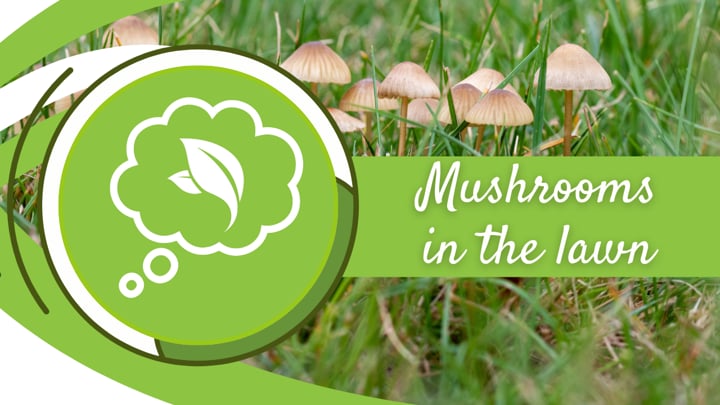
Most mushrooms in a lawn are a good sign. They break down dead roots, stumps and leaves, and they don’t harm the grass or your mulch beds. They come up during long stretches of wet, humid weather, often in early summer, and go away once it dries out; mowing knocks them down sooner. Most aren’t poisonous, but some are, so treat them all as if they were when children or pets are around.
Why Do I Have Grubs?
Grubs are beetle larvae, and beetles lay their eggs where a lawn is thick and healthy, so a lawn program doesn’t keep them away. Our preventive treatment is timed to protect roots before the new brood hatches, and it has to be watered in to work, with a hose or sprinkler if you don’t have irrigation. Digging by moles, skunks or raccoons doesn’t always mean grubs: they dig for worms and insects too. If grubs do damage the lawn, watering helps it reroot and recover.
Chinch Bugs
In a hot, dry summer, chinch bug damage looks like heat stress, but it can destroy much of a lawn quickly. To tell them apart, water it: drought-stressed grass greens up, and chinch bug damage doesn’t recover without reseeding. Adults spend the winter in the thatch and become active as daytime temperatures near 70 degrees, with several generations a year. They prefer bluegrass and ryegrass, so lawns that are half or more of those grasses see the most.
Watering Lawns and Landscape Plants
Proper Lawn Watering
A lawn needs about an inch of water a week, rain included, given in one or two waterings. A rain gauge is the simplest way to keep track. Water between 4 and 8 a.m., so the grass dries in the morning sun and disease has less chance to start. Rain varies from one town to the next, and the Northeast Regional Climate Center’s Lawn Watering Tool uses local weather data to estimate how much water your lawn needs.
New Lawn Watering and Care Guide
Once new seed or sod is down, watering decides how well it takes. The goal is to keep the soil moist six to eight inches deep, so the new grass has the water it needs to root. This video walks through the care steps that follow a lawn renovation.
Watering Guide for Landscape Plants
Water trees and shrubs in the morning: in the afternoon, up to half the water can evaporate. How often depends on the plants’ size and the weather, and new plantings need far more than established ones. To check, dig about two inches down with a garden trowel, and if the soil is dry, water regularly until rain returns. A soaker hose or slow-release watering bag gets water down to the roots; run a soaker hose about 15 to 20 minutes a day, three to five days a week. Two to four inches of mulch holds moisture in summer and insulates roots in winter.
Tree, Shrub and Pest Care
Understanding Diseases for Better Plant Care
Trees and shrubs get diseases the same way lawns do, through the disease triangle: a host plant, the right weather and the pathogen. Pathogens are already present and reach plants by wind, rain, insects or water in the soil, and drought makes plants more vulnerable. Knowing which diseases are active in our area, and in what weather, lets us treat before the damage shows. See Tree and Plant Health Care.
Fleas, Ticks and Pests
Fleas and ticks bite people and pets, can carry serious diseases such as Lyme disease, and add to vet bills. Our flea, tick and mosquito program cuts down the pests on your property, so your family and pets can enjoy the yard all summer.