Traditional fall cleanup advice says clear every leaf, cut back every perennial, and leave beds bare until spring. That approach isn’t wrong, exactly, but it’s not the whole picture either. A growing body of horticultural guidance, along with what we see across South Hills properties every year, suggests a more selective approach gets better results: clear what actually causes problems, and leave a few things standing that quietly help your landscape and its pollinators through winter.
What Still Needs to Come Off This Fall?
Leaves matted on the lawn are the clearest priority. Left in place, they block light and trap moisture against grass, which increases fungal disease pressure through Pittsburgh’s wet fall months and can smother turf outright by spring. Diseased or pest-infested plant material, including anything showing fungal spotting or insect damage this season, should also be removed and disposed of rather than composted, since many pathogens overwinter in fallen debris and reinfect the same plant next year. And any structural deadwood on trees or shrubs is worth clearing now for safety, regardless of the rest of your cleanup approach. Our Pittsburgh fall cleanup checklist covers the full sequence.
What Can You Leave Standing?
Ornamental grasses and many perennial seed heads, including coneflower, black-eyed Susan, and sedum, can stay standing through winter. They add visual structure to an otherwise bare landscape, and their seed heads provide a food source for birds through the colder months. Hollow-stemmed perennials also serve as overwintering habitat for native bees and other beneficial insects, a growing consideration for homeowners interested in supporting pollinator populations that return to the same garden the following spring. The Xerces Society has documented how much overwintering insect life depends on exactly this material being left in place. Leaves in planting beds, as opposed to leaves matted on lawn, can often be left in place or lightly mulched with a mower, breaking down over winter into organic matter that feeds the soil.
Where Does Dormant Pruning Fit In?
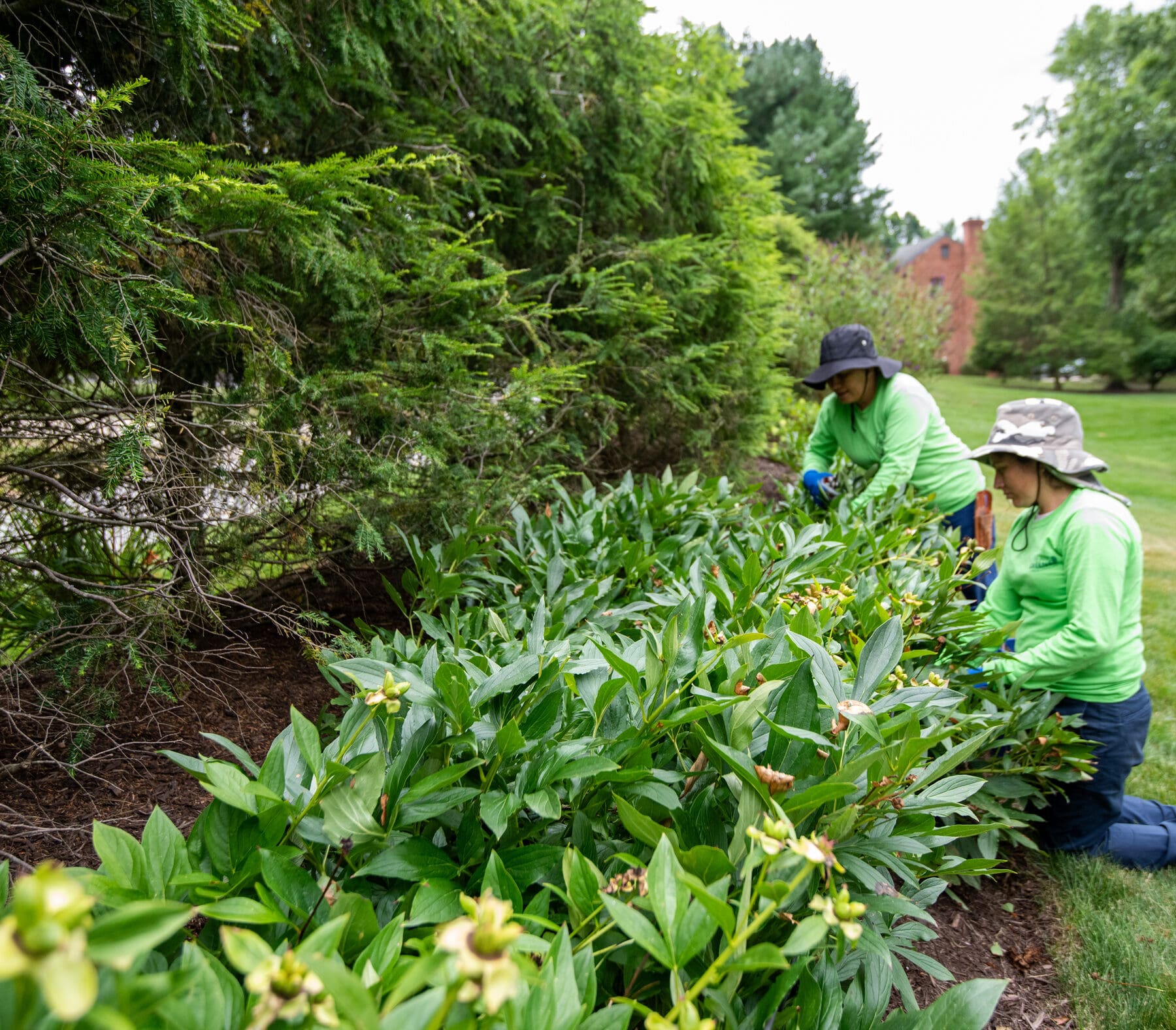
Late fall through winter dormancy is genuinely one of the better windows for structural pruning on trees and many shrubs, and it’s worth treating as a separate task from cleanup rather than lumping it in with raking and cutting back perennials. With leaves down, branch structure is easy to see, which makes it simpler to identify crossing limbs, weak attachment points, or storm damage risk before winter wind and ice make those weaknesses worse. Trees are also under less stress from pruning cuts while dormant compared to during active summer growth, a point the International Society of Arboriculture makes in its guidance for homeowners. As always, spring-blooming shrubs are the exception, since dormant pruning on those removes next year’s flower buds.
How Do You Decide What’s Right for Your Property?
It depends on the specific plants in your landscape and how visible your yard is through winter, and there’s no single right answer for every property. A more manicured front yard along a main street in Mt. Lebanon might call for more thorough cleanup, while a backyard border in Upper St. Clair with more privacy has more flexibility to leave seed heads and grasses standing. Our team walks each property individually during a fall assessment rather than applying a blanket approach, since what’s right for one yard isn’t necessarily right for the one next door. The Pittsburgh Area Monthly Lawn Guide shows how this fits with the rest of the late-season calendar.
Frequently Asked Questions About Fall Cleanup in Pittsburgh
Won’t leaving plant material standing look messy?
It depends on placement and plant choice. Ornamental grasses and structured perennials like coneflower tend to look intentional through winter rather than neglected, especially with frost or light snow on them. We can help you decide which areas of your property suit this approach and which should stay more traditionally tidy.
When should I cut back what I left standing?
Early spring, typically March, once the risk of hard freeze has passed and before new growth emerges. Cutting back too early in fall or too late in spring both reduce the benefit, whether that’s winter interest or habitat value for overwintering insects.
Does this apply to leaves on my lawn too?
No. Leaves matted on turf should still be cleared regularly through fall, since they block light and trap moisture in a way that damages grass. The leave-it approach applies to planting beds and standing perennials, not lawn areas.
Is dormant pruning safe for all my trees and shrubs?
For most trees and non-flowering shrubs, yes. Spring-blooming shrubs like forsythia, lilac, and rhododendron are the exception, since they’ve already set next year’s flower buds and dormant pruning removes them. Our team identifies these species-specific timing differences during your fall assessment.
Can I get a fall assessment that covers both cleanup and pruning at once?
Yes, that’s how we typically structure fall visits. One assessment covers cleanup priorities, dormant pruning needs, and any final-season lawn treatments, so you get a coordinated plan instead of separate visits for each.